Unlocking Construction Productivity: The Complete Guide to DfMA Module Installation in Singapore
Unlocking Construction Productivity: The Complete Guide to DfMA Module Installation in Singapore
Singapore’s construction sector is undergoing a massive transformation driven by the Building and Construction Authority’s (BCA) push toward Design for Manufacture and Assembly (DfMA). Transitioning traditional labor-intensive site operations into controlled off-site manufacturing significantly reduces construction duration, improves site safety, and delivers superior building finishes.
This guide explores key DfMA methodologies, heavy lifting logistics, precision alignment technologies, and high-strength joint engineering.
Key DfMA Modular Technologies in Modern Construction
DfMA shifts 60% to 80% of manual construction off-site into specialized fabrication facilities. On-site crews focus primarily on precision landing, anchoring, and interface joint sealing.
1. Prefabricated Prefinished Volumetric Construction (PPVC)
PPVC involves complete 3D volumetric modules (crafted from concrete or structural steel) manufactured off-site complete with internal finishes, tiles, windows, and electrical trunking before being transported to site for crane hoisting and stacking.
2. Prefabricated Bathroom Units (PBT / PBU)
Fully fitted bathroom pods constructed off-site and hoisted directly onto floor slabs during structural progression. PBTs eliminate multi-trade bathroom scheduling bottlenecks on active floor plates.
3. Integrated MEP Modular Ceiling & Racks
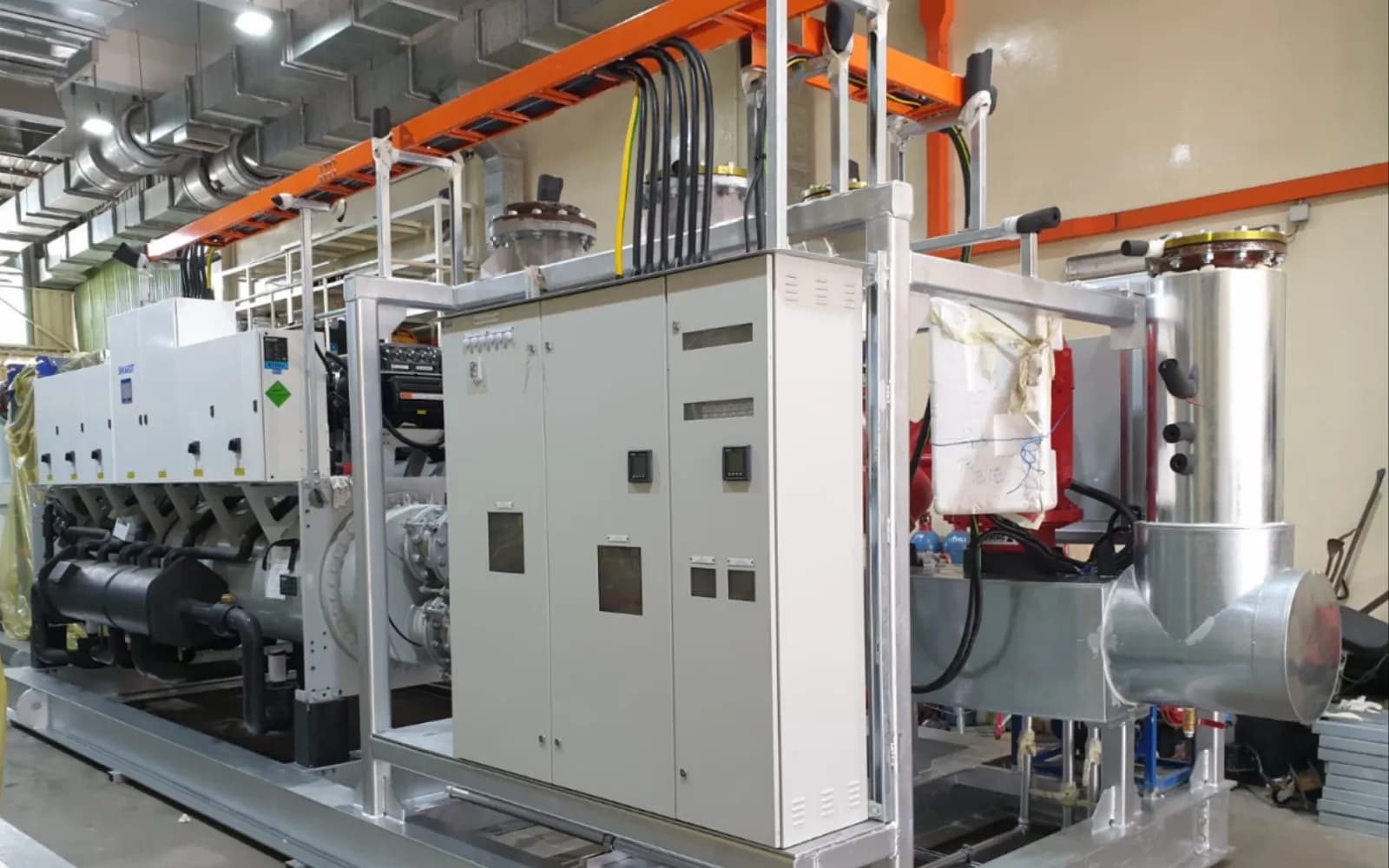
Pre-assembled overhead racks containing ACMV ductwork, electrical cable trays, fire protection pipes, and plumbing lines fabricated in multi-trade modules and raised in single lifting passes.
Critical Execution Steps in DfMA Module Assembly
Successful DfMA erection requires meticulous engineering precision:
1. Heavy-Lifting & Rigging Logistics
Detailed lifting plans are engineered specifying mobile or tower crane capacities, ground bearing pressure pads, specialized spreader beams, and sling angles to prevent dynamic structural twisting during hoisting.
2. Optical Laser Precision Landing
Using total station surveying instruments and multi-axis optical laser targets, landing crews guide multi-ton modules into precise spatial positions within sub-millimeter tolerances.
3. High-Strength Structural Grouting & Tie-Ins
Vertical corrugated grout sleeves and horizontal connection plates are injected with non-shrink structural grout tested to meet stringent BCA structural load standards.
4. Multi-Layer Joint Waterproofing
To withstand Singapore’s intense tropical rainfall, module exterior seams receive elastomeric backer rods, specialized polyurethane sealants, and secondary internal flashing membranes.
Benefits of DfMA Module Adoption
- Accelerated Project Completion: Simultaneous off-site module manufacturing and foundation work reduce total build time by up to 50%.
- Enhanced On-Site Safety: Controlled crane lifting replaces high-risk, multi-storey elevated manual work.
- Superior Workmanship: Factory-controlled environments eliminate weather-related material defects and floor finish inconsistencies.
Why Choose Legacy Engineering Services Pte Ltd?
- bizSAFE Star & Rigging Expertise: Certified lifting supervisors, riggers, and signalmen experienced in heavy volumetric landings.
- Precision Alignment Capabilities: Advanced optical surveying equipment ensuring perfect modular tie-ins.
- Seamless Multi-Trade Interface: In-house expertise managing structural grouting, waterproofing, and MEP quick-connect interfaces.
Conclusion
Adopting DfMA methodologies is essential for high-productivity, sustainable building development in Singapore. For expert DfMA module erection, PPVC hoisting, and modular integration services, contact Legacy Engineering Services Pte Ltd today.